
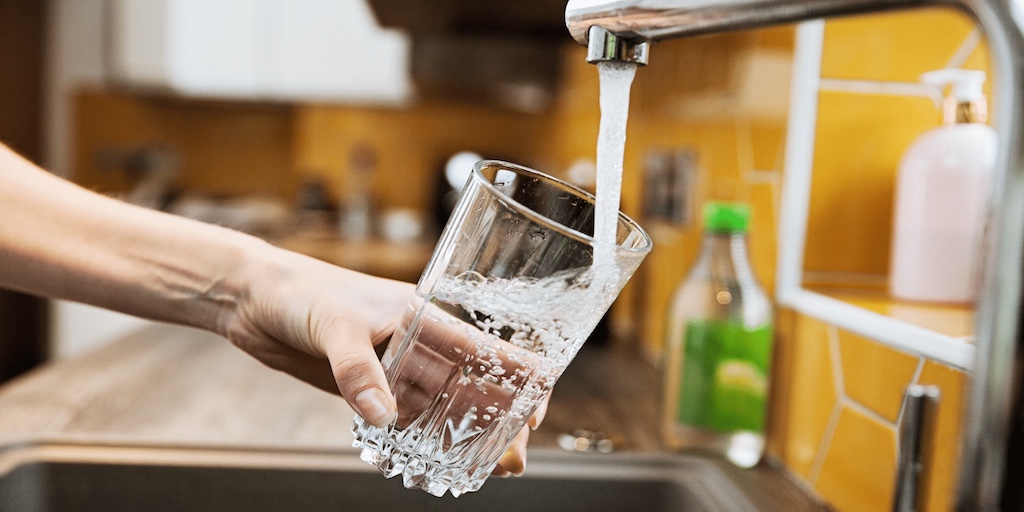
When it comes to improving the quality of your home’s water, understanding the difference between a water softener and a water filter is essential. Both serve to enhance water quality, but they do so in fundamentally different ways. Let’s dive into the details to help you determine which option might be right for you.
What is a water softener?
A water softener is designed to tackle the issue of hard water. Hard water contains high levels of calcium and magnesium, which can cause scale build-up in pipes and appliances, and leave spots on dishes and surfaces. A water softener works through a process called ion exchange, where these minerals are replaced with sodium ions, effectively “softening” the water. A whole-home water softening system can be installed by a plumber.
Benefits of a water softener
- • Reduces scale build-up: Prevents damage to plumbing and appliances, extending their lifespan.
- • Saves energy: Appliances run more efficiently with soft water, reducing energy consumption.
- • Improves cleaning: Clothes, dishes and surfaces come out cleaner and brighter without mineral deposits.
What is a water filter?
Water filters, on the other hand, are designed to remove contaminants and impurities from your water. These can include chemicals, heavy metals, bacteria, and sediment. There are several types of water filters, such as activated carbon filters, reverse osmosis systems, and ultraviolet (UV) filters, each targeting specific contaminants.
Types of water filters
- • Activated carbon filters: Effective at removing chlorine, bad tastes and odors.
- • Reverse osmosis systems: Removes a wide range of contaminants, including heavy metals and dissolved salts.
- • UV filters: Uses ultraviolet light to kill bacteria and viruses.
Benefits of a water filter
- • Improves taste and odor: Removes chlorine and other chemicals that affect the taste and smell of water.
- • Removes contaminants: Provides safer, cleaner drinking water by eliminating harmful substances.
- • Versatile options: Multiple filter types to address specific water quality concerns.
Which is right for you?
Choosing between a water softener and a water filter depends on your specific needs. If your primary concern is hard water and its effects on your home’s plumbing and appliances, a water softener is the right choice. However, if you’re more concerned with the purity of your drinking water, then a water filter is the better option.
In some cases, a combination of both systems might be the best solution. For instance, using a water softener for your plumbing and a reverse osmosis filter for drinking water can provide comprehensive benefits.
In conclusion, understanding the difference between a water softener and a water filter helps you make an informed decision. Don’t hesitate to call on experienced plumbing technicians like those at Knight’s Mechanical to help your evaluate your options.
continue reading
Related Posts
Home design continues to evolve, and technology is playing a
Many homeowners assume their water is perfectly fine as long

Water damage is one of the most common — and