Smart technology has made its way into nearly every part of modern living, and heating and cooling are no exception. Smart HVAC systems are reshaping how homeowners manage comfort, energy use, and long-term savings. In today’s connected world, these systems combine smart thermostats, zoning technology, and app-based controls to create homes that are easier to manage and more efficient than ever. Whether you’re focused on convenience or looking for ways to cut monthly utility costs, smart HVAC systems offer practical benefits that make a real difference.
Smart Thermostats: The Brain Behind Modern Comfort
Smart thermostats are often the first step homeowners take toward a connected HVAC system. They monitor patterns in your daily routine—when you’re home, away, or asleep—and adjust temperatures automatically. Instead of constantly tinkering with old thermostats, you get a system that learns your preferences over time.
These devices can also track energy use, helping homeowners identify wasteful habits and make better choices. For example, if your system notices that your home is being heated or cooled unnecessarily during work hours, it will suggest or automatically make changes. Many smart thermostats also include geofencing features that detect when you’re approaching home, ensuring your house is at the perfect temperature when you walk through the door.
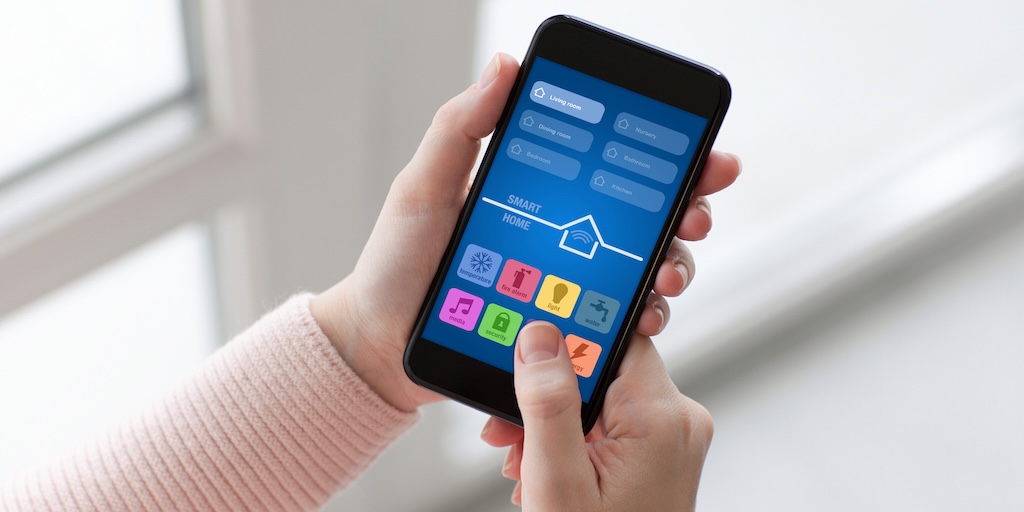
The ability to connect through a smartphone app is another huge advantage. With a quick tap, you can change temperature settings from anywhere—whether you’re on the couch or across the country.
Zoning Systems: Comfort Tailored to Every Room
One of the biggest leaps forward in smart HVAC systems is zoning technology. Traditional HVAC setups heat or cool the entire house at once, even if you’re only using one room. Zoning solves this issue by dividing your home into separate areas, each with its own temperature control.
Families especially appreciate this improvement. Maybe the upstairs bedrooms run warm in the summer, or a basement stays cooler year-round. Zoning lets you adjust each area independently, without overworking the system or wasting energy. Not only does this boost comfort, but it also reduces wear and tear on HVAC equipment—because your system no longer has to work as hard to condition the whole house at once.
Smart thermostats and zoning work hand-in-hand, giving homeowners precise control over temperature levels in every part of the home.
Connected Controls: Managing Comfort From Anywhere
Today’s smart HVAC systems offer a level of connectivity that wasn’t possible before. Using a phone, tablet, or voice assistant, you can make real-time adjustments to your home’s comfort settings. These connected controls offer:
- Remote access for adjusting temperature while away
- Real-time alerts for maintenance reminders or unusual system behavior
- Integration with smart home hubs like Amazon Alexa, Google Home, or Apple HomeKit
- Energy reports that show how efficiently the system is performing
This level of insight helps homeowners catch small issues before they become expensive repairs. For example, if your system is running longer than usual or consuming more energy, connected controls may alert you to a dirty filter or airflow problem.
The Bottom Line: Better Comfort, Lower Costs
Smart HVAC systems aren’t just a trend—they’re a long-term upgrade in how homes manage heating and cooling. By combining smart thermostats, zoning, and connected controls, homeowners get a system that is more efficient, easier to use, and tailored to their lifestyle.
Whether your goal is reducing monthly utility bills, improving comfort in every room, or simply making life a little easier, smart HVAC technology offers a practical and valuable solution for today’s connected homes.
continue reading
Related Posts

Your HVAC system plays a big role in your home’s

Maintaining the right humidity level in your home is crucial