
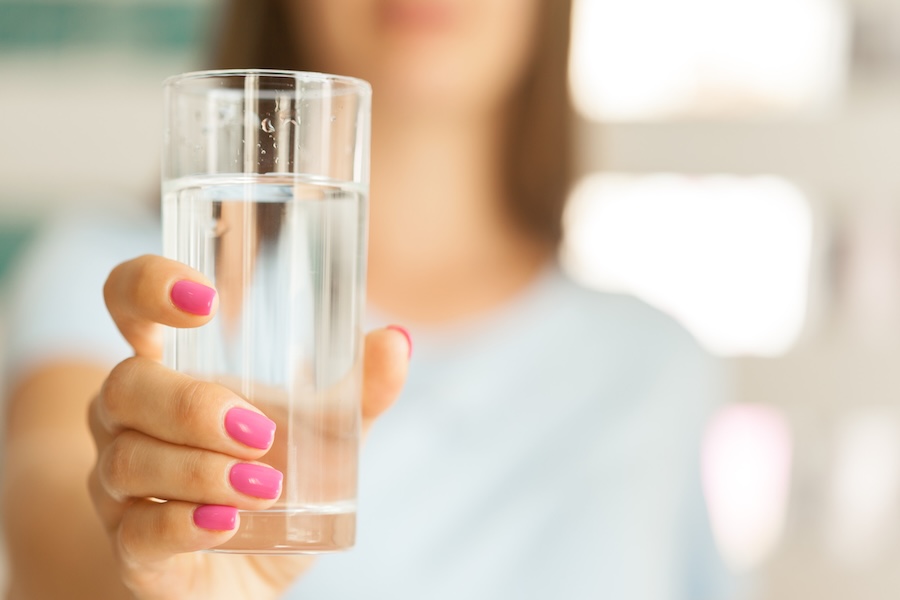
Many homeowners assume their water is perfectly fine as long as it looks clear and tastes normal. But appearances can be misleading. Water quality testing is the best way to understand what’s actually in your water and whether you need filtration or treatment systems to improve it.
From hard minerals to iron and chlorine, several common elements can affect the quality, taste, and performance of your household water. A simple test can reveal important details that help you protect your plumbing, appliances, and overall water quality.
Why Water Quality Testing Matters
Even municipal water that meets safety standards can contain minerals or chemicals that cause everyday problems in the home. Private well owners face an even greater need for regular testing since their water supply is not regulated.
Water quality testing can identify issues such as:
- Hard water minerals
- Iron and manganese
- Chlorine or disinfectants
- Sediment and particulates
- pH balance issues
Understanding these factors helps homeowners choose the right water treatment solutions and avoid long-term damage to plumbing systems and appliances.
Hard Water: The Most Common Issue
Hard water contains high levels of minerals like calcium and magnesium. While not harmful to drink, hard water can create several frustrating problems around the house.
Signs of hard water include:
- Soap scum on sinks and showers
- White spots on dishes and glassware
- Reduced soap and detergent effectiveness
- Mineral buildup in pipes and appliances
A water softener system is often recommended when water quality testing reveals high hardness levels. Softening the water helps extend the life of appliances such as water heaters, dishwashers, and washing machines.
Iron in Your Water
Iron is another common issue, especially in homes with well water. Even small amounts can cause noticeable problems.
You may have iron in your water if you notice:
- Reddish or rust-colored stains on sinks, tubs, or laundry
- Metallic taste in drinking water
- Discolored water from faucets
Water quality testing can determine the type and level of iron present so the proper filtration system can be installed.
Chlorine and Chemical Disinfectants
Municipal water systems often use chlorine to disinfect drinking water. While this helps eliminate harmful bacteria, it can also create issues for homeowners.
Excess chlorine may cause:
- Unpleasant taste or odor
- Dry skin and hair after showering
- Damage to plumbing fixtures over time
A carbon filtration system can significantly reduce chlorine levels and improve overall water taste and odor.
When to Consider Filtration or Treatment
If water quality testing shows elevated minerals, iron, or chlorine, installing a filtration or treatment system can dramatically improve your home’s water.
Common solutions include:
- Whole-house water softeners
- Iron filtration systems
- Carbon filters for chlorine removal
- Sediment filters for particulates
Regular testing ensures your water treatment system is working properly and continues to meet your household’s needs.
Know What’s Flowing Through Your Pipes
Your home’s water plays a role in everything from cooking and cleaning to bathing and laundry. With professional water quality testing, you can identify hidden issues and choose the right solutions to keep your water clean, clear, and comfortable for everyday use.
continue reading
Related Posts
Home design continues to evolve, and technology is playing a

Water damage is one of the most common — and

There’s nothing more unpleasant than encountering a foul odor emanating